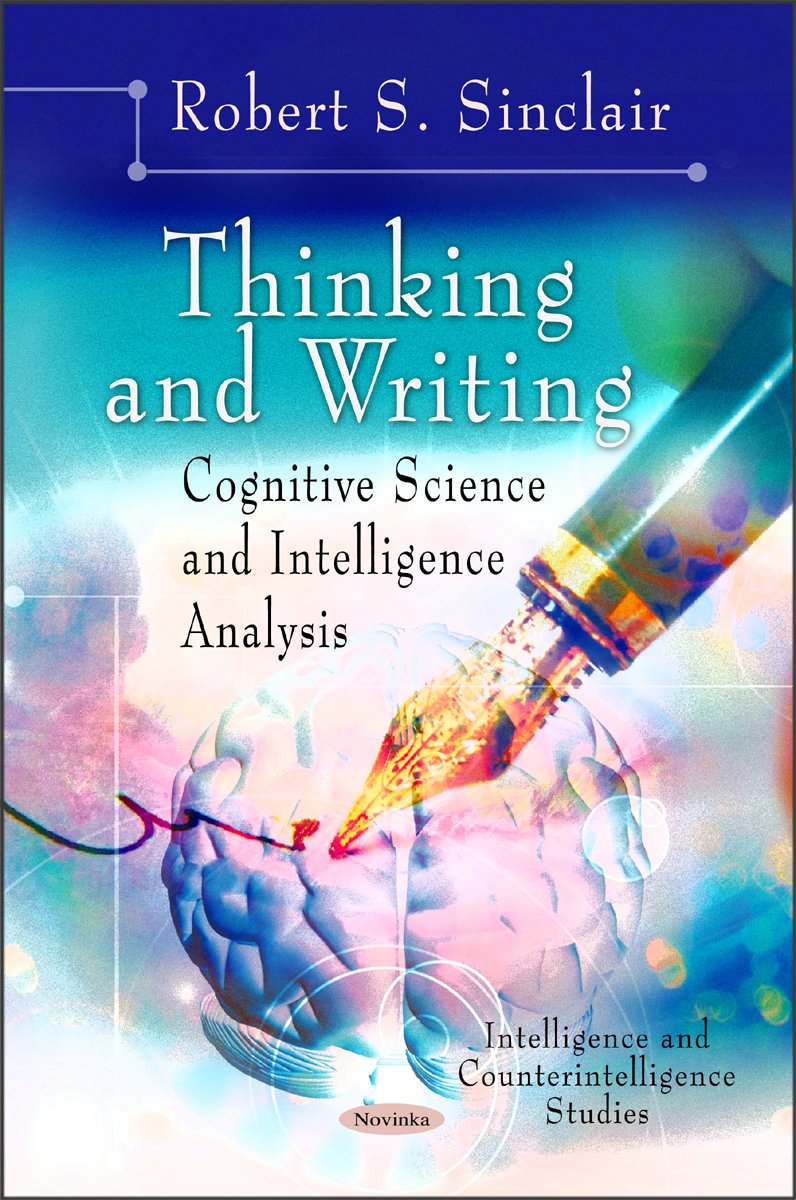
Thinking and Writing | Robert S. Sinclair
240,00 lei
În stoc la magazin
Prețul este cel comunicat de carturesti la ultima actualizare și se poate schimba oricând. Prețul valabil este cel afișat în magazin în momentul comenzii. Transportul nu este inclus.
Cumpără acum- Preț preluat din magazin și actualizat zilnic
- Comanda se finalizează în siguranță la partenerul nostru
- Nu adăugăm niciun cost: plătești exact prețul magazinului
- Vezi mai jos cum a evoluat prețul, ca să știi dacă reducerea e reală
Evoluția prețului
Urmărim prețul acestui produs de prea puțin timp ca să avem ce desena. Revino peste câteva zile: notăm prețul la fiecare actualizare și afișăm graficul de îndată ce avem cel puțin două observații.
Descriere
This book describes some of the powerful metaphors that have developed over the past two decades about the workings of our minds including cognitive science (which embraces several disciplines, notably computer science, linguistics, neurophysiology and psychology), in an attempt to apply those metaphors to the workings of the CIA's Directorate of Intelligence. These findings have obvious implications for the way the directorate recruits and trains its people. The term “cognitive science” embraces several disciplines, notably computer science, linguistics, and neurophysiology, as well as psychology. A cognitive scientist seeks to understand what the mind does when it searches for patterns, when it makes a value judgment, when it must choose between pattern-finding and judgment-making, when it engages in the myriad other activities that occupy it. Some fragmentary answers to questions such as this have become possible in the last 20 years. Before they are six years old, nearly all humans learn to generalize, to impute continuity, to discern relationships, and to determine cause-and-effect. Moreover, we can store the conclusions drawn from such processes in a way that gives us access to them without burdening our working memory. We also learn a language, that uniquely human capacity which sits at the center of conscious cognitive activity. Language opens the way to abstraction and generalization, and permits each normal human to develop a rich network of concepts. All of us are aware of the limitations of these processes. For example, we all are obtuse in dealing with logic and probability; we are comfortable with imprecision; and our minds are conservative in their approach to new information—quicker to recognize the familiar than the unfamiliar, reluctant to change concepts once we have accepted them. Finally, there are innumerable processes that influence our mental activity but are not accessible to the conscious part of the mind. FROM THE AUTHOR: The monograph has two parts: first, a survey of cognitive science as we understood it in 1984; second, suggestions for changing the way we do intelligence analysis in light of what the discipline was telling us. As I have indicated, I think the survey section holds up pretty well. While I would like to think the reader will learn something useful from immersion in all the detail (notably the diagram on page 10, which makes graphic the many elements that interactively shape our conscious mental activity), the basic concept is quite simple. The conscious mind cannot track more than about seven cognitive elements at the same time (cognitive science jargon often refers to these elements as chunks); and to cope with this constraint, our brains constantly manipulate those elements, always at top speed and usually outside our conscious awareness. This is revised edition of a manuscript that was originally published in 1984.
Descrierea aparține magazinului și este preluată ca atare din lista lui de produse.
Detalii
| Magazin | carturesti |
|---|---|
| Marcă | Nova |
| Categorie | Sanatate, dezvoltare personala |
| Cod produs | 25144 |
| Disponibilitate | În stoc |
| Ultima verificare | 10.09.2026, 03:39 |
Întrebări frecvente
Suplimentele alimentare sunt medicamente?
Nu. Din punct de vedere legal sunt produse alimentare notificate, nu medicamente autorizate, și nu au voie să pretindă că tratează, previn sau vindecă o afecțiune. Nu înlocuiesc o alimentație variată și nici un tratament prescris.
Cum compar corect două suplimente?
Compară doza pe porție, nu numărul de capsule de pe cutie. Multe produse obțin doza declarată din două sau trei capsule, deci un flacon de 120 de capsule ține jumătate din cât pare. Împarte prețul la numărul de porții, nu la numărul de capsule.
Ce întreb farmacistul înainte să încep un supliment?
Dacă interacționează cu medicamentele pe care le iei deja, ce formă și ce cantitate sunt potrivite în situația ta și cât timp are sens să îl folosești. Dacă ești însărcinată, alăptezi sau urmezi un tratament, discuția cu medicul sau cu farmacistul este obligatorie înainte de cumpărare.
Ce verific la un dispozitiv medical de uz casnic?
Marcajul CE, accesoriile incluse și potrivirea lor cu tine. La un tensiometru, de exemplu, dimensiunea manșetei influențează rezultatul mai mult decât marca aparatului, iar manșeta potrivită nu este întotdeauna cea din pachet.
Produse asemănătoare